
Best GPS for Dual-Sport & ADV Riding in 2026
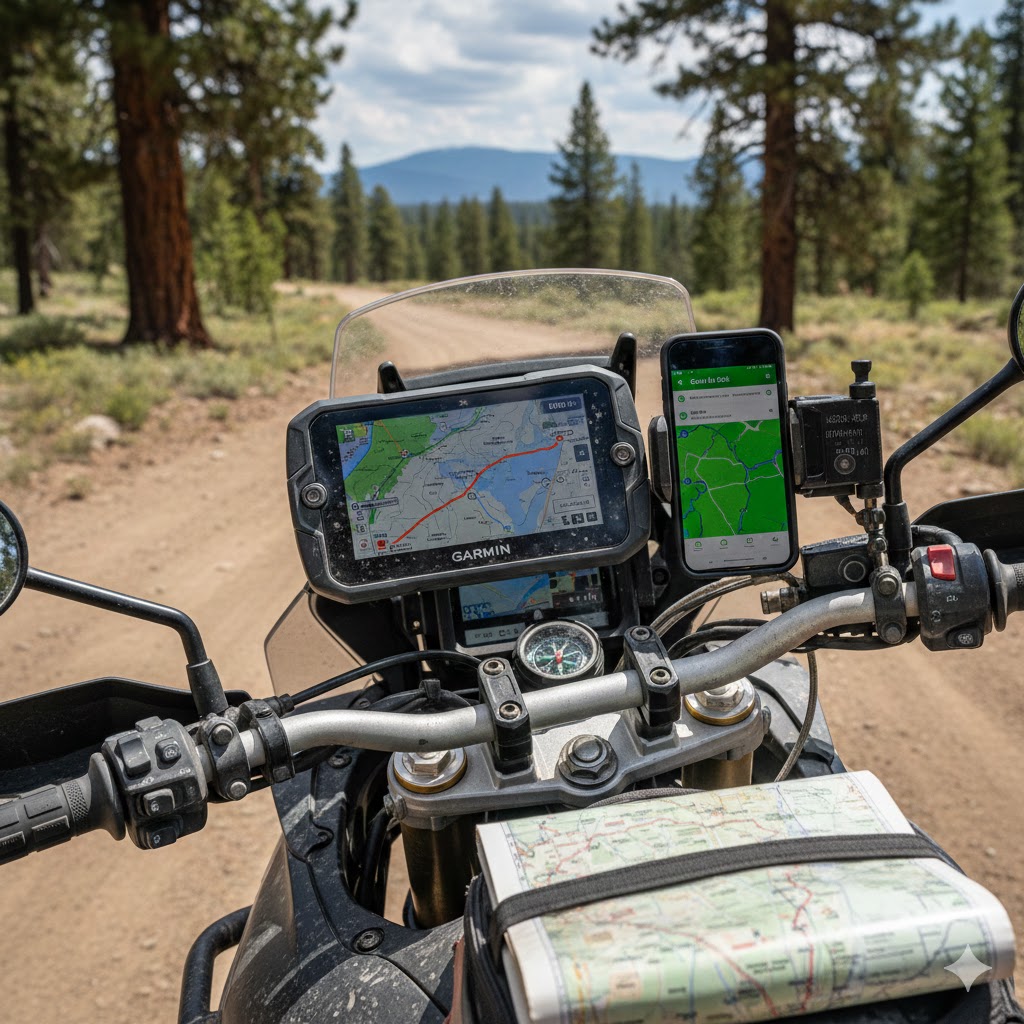
Best GPS for Dual-Sport & ADV Riding in 2026: Gaia vs Rever vs onX Offroad vs Garmin
Whether you’re bombing singletrack on a KTM 350 EXC-F or grinding out miles on a BMW GS 1300, the right GPS can be the difference between an epic ride and a sketchy detour into private property. In 2025, the market’s packed with options, but for dual-sport and adventure riders, it’s all about offline maps, trail data, turn-by-turn nav, and durability that laughs at mud and vibration.
Quick Overview: Who’s Best for What?
• Gaia GPS: King of customizable off-road layers and planning. Ideal for technical trails where you need topo + land ownership overlays.
• onX Offroad: Trail-hunting beast with motorized-specific data. Perfect for exploring new dirt without getting lost (or ticketed).
• Garmin: Bulletproof hardware for vibration-heavy setups. Go-to for dedicated devices that don’t rely on your phone’s battery.
• Rever: Social butterfly for route discovery and sharing. Great for ADV tours with a community vibe.
Quick Overview: Who’s Best for What?
• Gaia GPS: King of customizable off-road layers and planning. Ideal for technical trails where you need topo + land ownership overlays.
• onX Offroad: Trail-hunting beast with motorized-specific data. Perfect for exploring new dirt without getting lost (or ticketed).
• Garmin: Bulletproof hardware for vibration-heavy setups. Go-to for dedicated devices that don’t rely on your phone’s battery.
• Rever: Social butterfly for route discovery and sharing. Great for ADV tours with a community vibe.
1. Gaia GPS: The Off-Road Planner’s Swiss Army Knife
Gaia’s been a staple for dual-sport riders since its early days, and the 2025 updates (like enhanced measurement tools and smoother offline syncing) keep it relevant. It’s not just an app—it’s a full ecosystem for pre-ride plotting and in-trail tweaks.
Key Features for Dual-Sport/ADV:
• Map Layers Galore: Stack topo, satellite, USFS roads/trails, and even snowpack or river flow overlays. Perfect for checking seasonal closures on a DR650 loop.
• Offline Everything: Download massive areas (e.g., entire states) for no-signal zones. Sync routes from desktop to phone seamlessly.
• Safety Smarts: Cell coverage predictor (AT&T/Verizon/T-Mobile) helps you plan bailouts. Plus, waypoint sharing for group rides.
• 2025 Upgrades: Bug fixes for faster map loading and better iOS/Android stability—no more offline glitches mid-trail.
Pricing: Free basic (limited maps); Premium $59.99/year (full layers, unlimited offline). 14-day trial.
Pros: Deep customization; works with CarPlay/Android Auto; export GPX for other devices. Riders on ThumperTalk rave about it for forest service roads.
Cons: Interface feels dated (not as “wheely” intuitive as onX); no built-in voice nav—pair with phone’s GPS.
Best For: Riders who plan obsessively (e.g., 400-mile Utah backcountry loops). If you’re layering MVUM data on a KLR650, this is your jam.
2. Rever: Community-Driven Routes with a Social Twist
Rever’s motorcycle-first focus shines in 2025 with Mapbox-powered turn-by-turn nav that’s grown its user base 580% thanks to voice guidance and 3D flyovers. It’s less about raw topo data and more about discovering shareable adventures—think ADV Rider meetup routes.
Key Features for Dual-Sport/ADV:
• Curated Rides: 3,000+ global routes with Butler Maps overlays for twisties and gravel. Filter by difficulty, length, or “adventure mode.”
• Tracking & Sharing: Auto-record rides with 3D maps, stats (elevation, speed), and PNG exports for bragging rights. Live friend tracking keeps groups together.
• Offline Mode: Download maps/GPX; works sans signal for remote hauls.
• 2025 Upgrades: Weather radar integration and LiveRIDE safety (auto-SOS if you crash).
Pricing: Free basic tracking; Pro $59.99/year (nav, offline, challenges). RPM membership bundle for $60/year adds perks like roadside assistance.
Pros: Social features beat the rest—join challenges or follow pro riders. Easy GPX import/export for Garmin backups. Reddit users love it for quick trail shares.
Cons: Trail data skews paved/ADV over pure dirt; clunky on small screens. Not ideal for hardcore singletrack.
Best For: ADV tourers on a Tenere 700 who want community routes and easy sharing. Fire it up for a group ride from Denver to Moab.
3. onX Offroad: Trail Explorer with Land Smarts
onX exploded in 2025 for off-roaders, adding recent aerial imagery and better motorized trail filters. It’s built for discovery—spotting open OHV routes without hopping apps. Dual-sport riders dig its simplicity over Gaia’s complexity.
Key Features for Dual-Sport/ADV:
• Motorized Trails: 650K+ miles color-coded for 4×4, dirt bikes, SxS—plus open/closed status and difficulty ratings.
• Land Boundaries: Elite shows private property lines, acreage, and owner info nationwide—crucial for avoiding fines on a WR250R.
• Offline Power: Unlimited downloads; route builder with weather/terrain overlays.
• 2025 Upgrades: Elite now includes bi-weekly satellite updates and industry discounts (e.g., 10% off recovery gear).
Pricing: Free basic (limited); Premium $34.99/year (trails, offline); Elite $99.99/year (private land). 7-day Premium trial; $3 first-month Elite promo.
Pros: Intuitive for on-the-fly exploration; public/private land clarity beats Gaia for some.
Cons: No voice nav (routes to Google Maps); Elite’s price jump stings for casual users.
Best For: Exploratory dual-sport or following a premade route. If you’re scouting new trails onX’s curated content saves hours.
4. Garmin: The Rugged Hardware Hero
Garmin’s not an app—it’s devices like the zūmo XT2 ($599.99) or Tread 2 Overland ($999.99), built for bikes that eat phones for breakfast. 2025 brings brighter 6-8” screens and inReach satellite integration for true no-signal SOS.
Key Features for Dual-Sport/ADV:
• Rugged Nav: Glove-friendly touchscreens, IPX7 waterproof, vibration-proof mounts. Preloaded topo + BirdsEye satellite for off-grid.
• ADV-Specific: Group Ride Radio (share locations), music/GoPro control, and tire pressure monitoring via app.
• Offline Reliability: 16+ hrs battery; import GPX from Gaia/Rever.
Pricing: One-time buy ($400-$1,000); free lifetime map updates. Pairs with $30/year Outdoor Maps+ for premium layers.
Pros: No phone drain or overheating; sunlight-readable. Dual-sport vets on Reddit pair it with Gaia as backup.
Cons: Steep upfront cost; less social/trail-curation than apps.
Best For: Vibration-heavy setups like a fully loaded Africa Twin. Mount it and forget apps.
Head-to-Head: Real-World Scenarios
• Technical Singletrack (e.g., Moab Slickrock): Gaia or onX for layered topo/MVUM. Rever lags on pure dirt.
• Long ADV Tour (e.g., TAT): Garmin for hardware endurance.Rever for shared routes Gaia or OnX paired with Carpuride (More Info).
• Budget Exploration: onX Premium ($35) on a cheap rugged phone (Ulefone, $150).
• Group Ride Safety: Garmin’s inReach or Rever’s live tracking.
Rider consensus from ADV forums? Apps win for planning (Gaia/onX tie at 60% preference), but Garmin dominates mounted use (80% for long hauls).
The Verdict: onX Offroad Takes the Crown (But…)
For 2025 dual-sport/ADV riders, onX Offroad Elite edges out as the best all-rounder—affordable, trail-focused, and land-aware without fuss. It’s $100/year but saves headaches (and tickets) on exploratory rides. If you’re app-averse, splurge on Garmin’s zūmo XT2 for set-it-and-forget-it reliability.
Pro Tip: Run two—Gaia for planning, onX paired with the Carpuride (More Info) to keep phone from overheating and exposed on your handle bars. Download trials and hit a local trail to test.
Got a favorite setup? Drop it in the comments—we’re building a reader poll for next month’s gear guide. Ride safe out there.
Affiliate links may apply; prices current as of Dec 2025.
400 DS/ADV Events & GPX Routes
“Click On The State You Want To Ride”